Kenya’s democracy is strongest when every citizen has a fair opportunity to participate in political leadership and decision-making. As the country prepares for the 2027 General Election, ensuring that women, young people, persons with disabilities and marginalized communities are meaningfully represented remains essential to building an inclusive democracy.
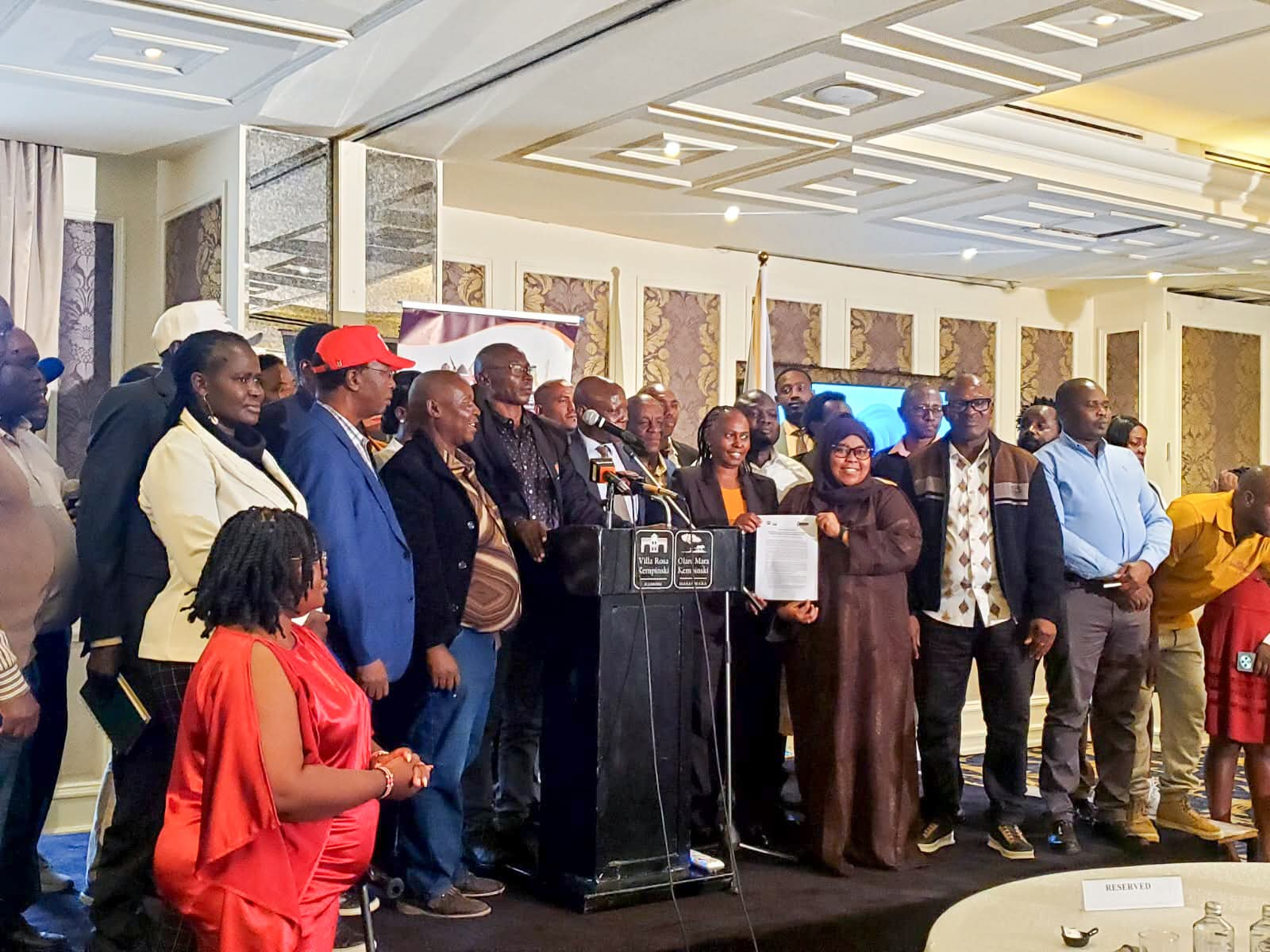
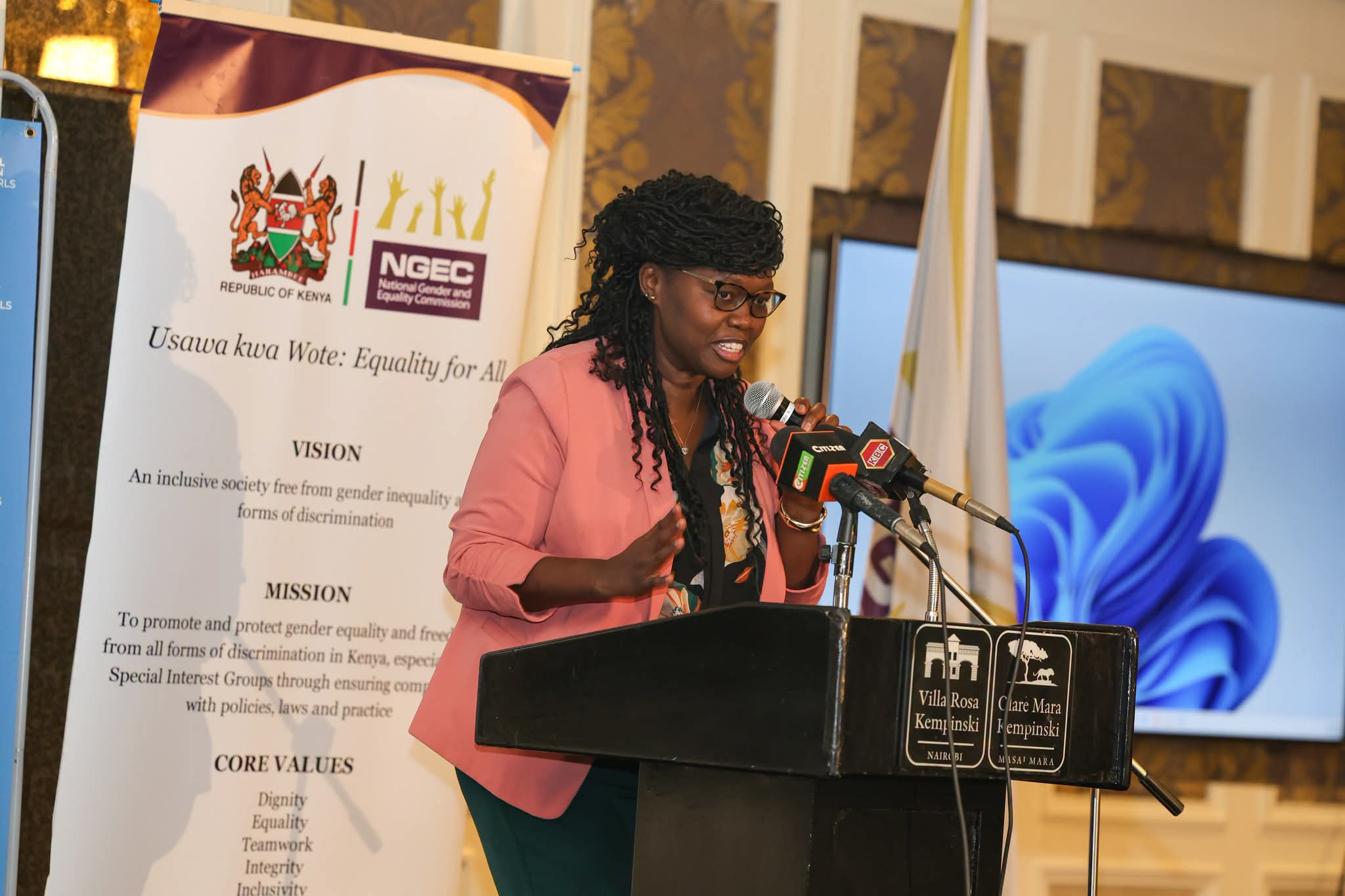
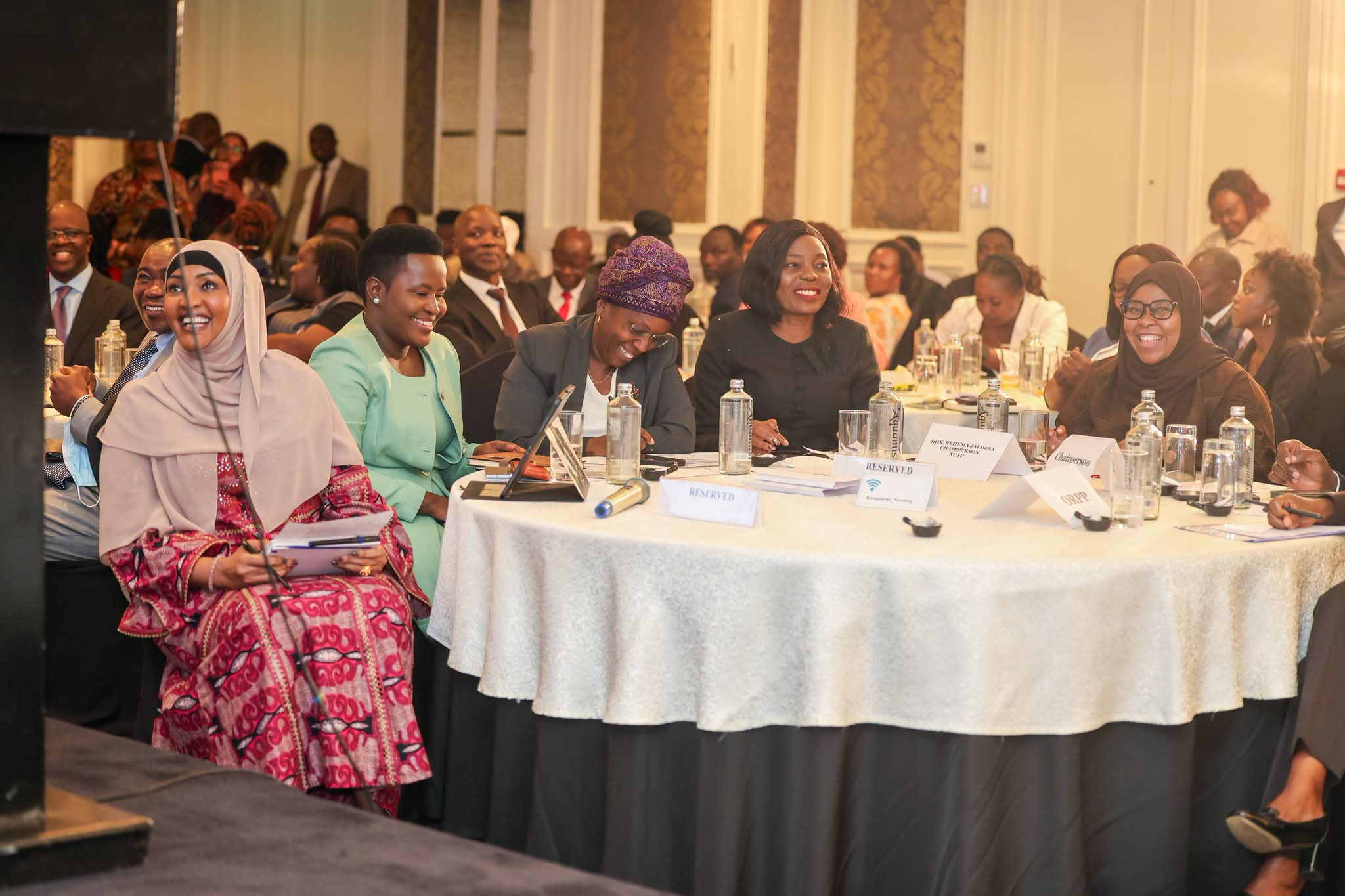
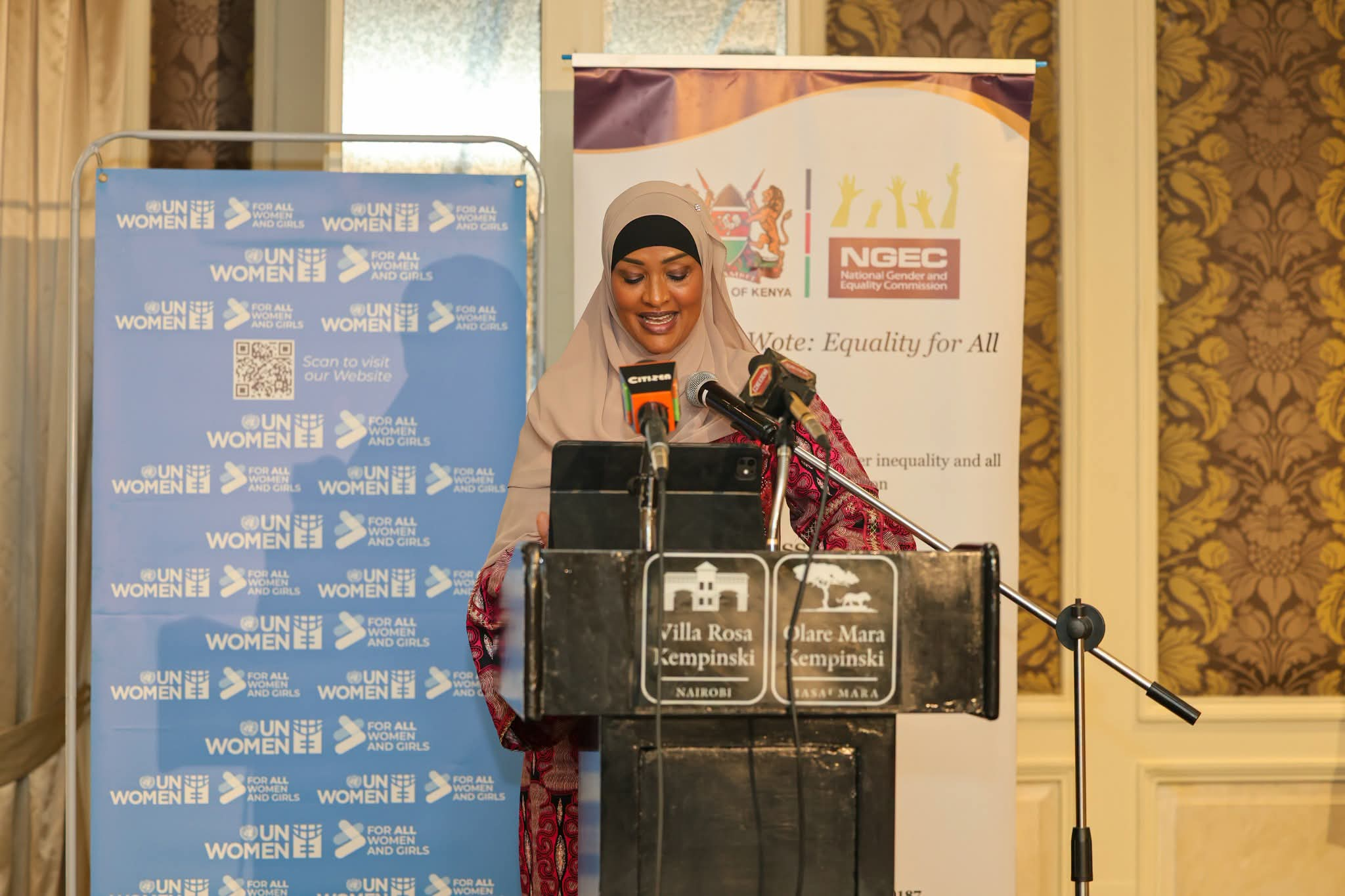
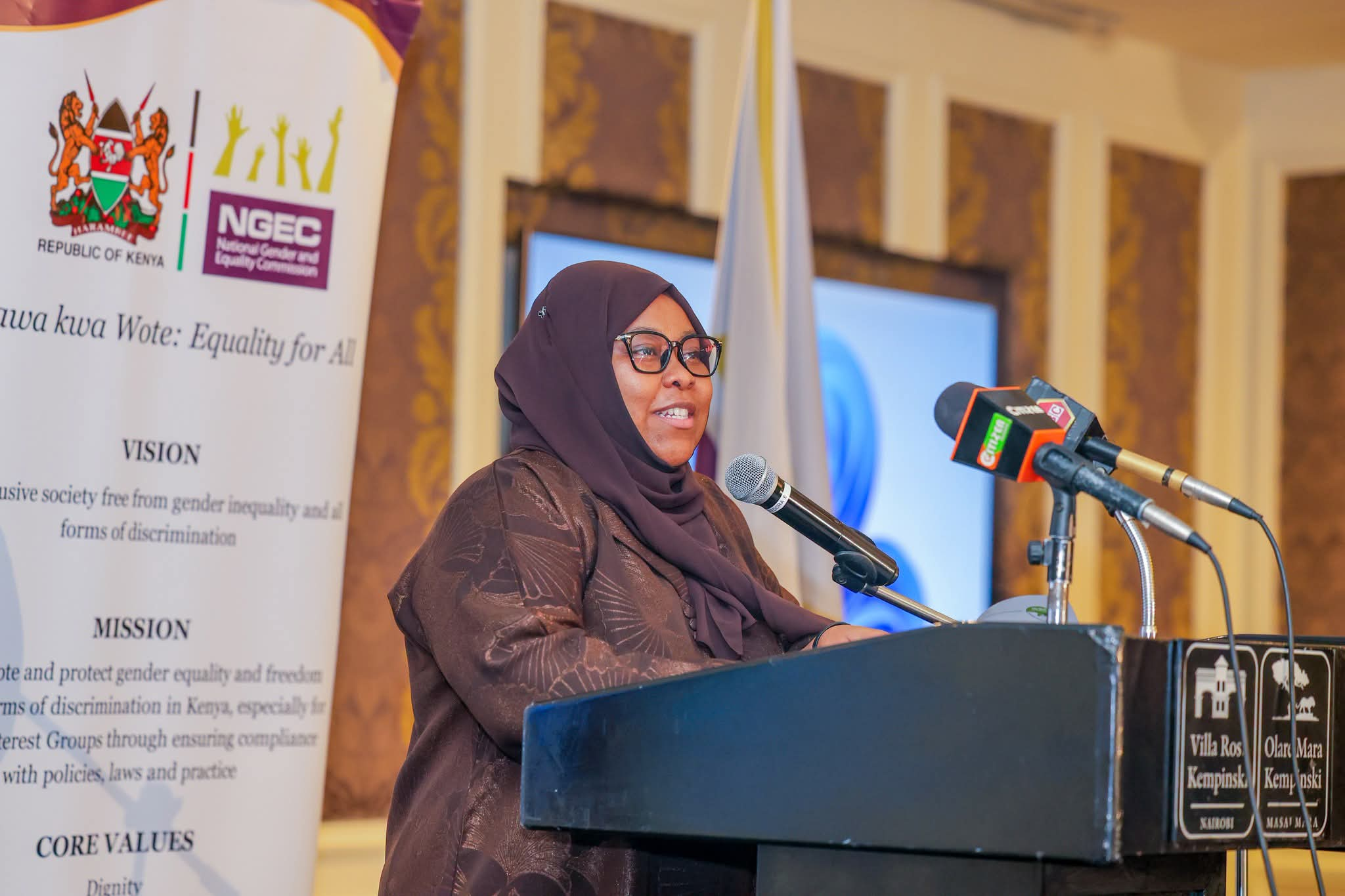
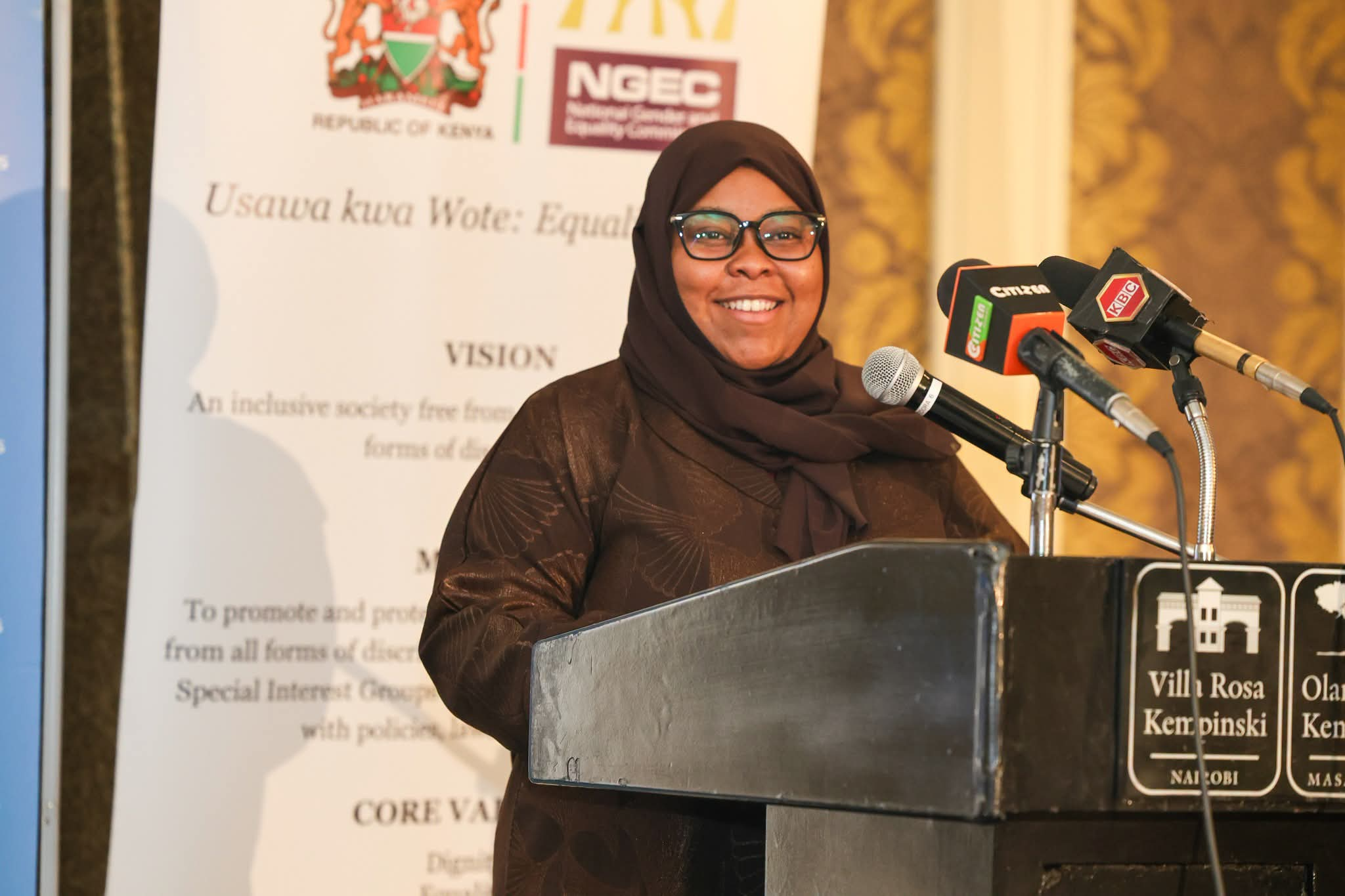
The Independent Electoral and Boundaries Commission (IEBC) was today represented by Vice-Chairperson Fahima Araphat Abdalla, OGW, at a policy dialogue convened by the National Gender and Equality Commission (NGEC) to explore ways of strengthening the participation of Special Interest Groups (SIGs) in political party leadership, governance and decision-making.
The forum brought together representatives of political parties and key institutions to examine barriers that continue to limit inclusive political participation and identify practical measures to address them.
Although Kenya has made progress in advancing democratic participation, challenges remain in ensuring equitable representation and access to political leadership. Political party nominations, representation in decision-making structures and the accessibility of electoral processes are among the areas requiring continued attention.
During the dialogue, Vice-Chairperson Fahima highlighted the Commission’s ongoing efforts to advance gender equality and social inclusion throughout the electoral process. These include reviewing political party nomination rules and party lists for compliance with constitutional requirements, pursuing electoral legal reforms to strengthen equitable representation, and implementing the Commission’s Gender and Social Inclusion Policy.
The Commission is also promoting accessible voter registration, targeted voter education and measures such as reduced nomination fees for eligible candidates to help address barriers to political participation.
“Inclusive nominations create opportunities for diverse voices to compete for leadership and contribute to decisions that shape their communities and the country,” she said.
These efforts reflect the importance of ensuring that every Kenyan has a fair opportunity to exercise their political rights, regardless of gender, age, disability or social background.
As preparations for the 2027 General Election gather momentum, the IEBC continues to engage political parties and other stakeholders to promote fair, accessible and constitutionally compliant electoral processes.
Achieving meaningful inclusion requires more than policy commitments. It calls for practical action by political parties, institutions and other stakeholders to remove barriers, expand opportunities and ensure that diverse groups are adequately represented in leadership and governance.
A more inclusive electoral process will strengthen democratic participation, build public confidence and help ensure that Kenya’s democracy reflects the aspirations of all its citizens.
A stronger democracy begins when every voice has an opportunity to be heard and every citizen has a fair chance to lead.